

In this Al Fayha vs Al Nassr match, I analyse the key tactical moments, individual performances and turning points of the game.
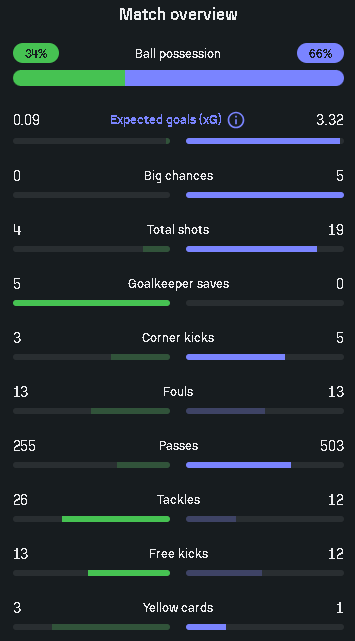
The game had all the ingredients to be a trap. Al Nassr came in flying, 11 straight wins, 9 games without conceding and the lead in sight. On the other side, Al Fayha comfortable in their mid-table mediocrity, with no real pressure. It was one of those matches where there is only one acceptable narrative: dominance, control and three calm points.
But football doesn’t respect the script much. Al Nassr started as expected: high possession, circulation in the attacking half and Al Fayha sitting deep protecting spaces. In the 8th minute comes the first controversial moment: penalty on Simakan. For me, it isn’t. Light contact, the kind that in leagues with a different refereeing level is often not even discussed. VAR doesn’t intervene and that says a lot about the criteria. Cristiano steps up in the 11th minute, sends the goalkeeper the wrong way and the ball brushes the post and goes out. Psychologically it weighed on Cristiano.
Nassr kept the ball, but not the aggression. It was territorial dominance, not emotional dominance. There was a lack of acceleration, a lack of that sense of inevitability. And when a big team doesn’t kill it early, it starts giving life to the opponent.
Al Fayha barely created, but in the 33rd minute Jason almost scored from a dangerous cross that Bento misread. Al Nassr had a predictable first half, with wrong decisions in the final third and we have to talk about the confusing refereeing factor that left the game fragmented. Weak criteria, yellow cards kept in the pocket and fouls not given.
And then, right before half-time, the shock. Poor build-up, avoidable loss, cross from the right and Al-Amri deflects into his own net. 1-0. First goal conceded by Nassr in ten games. And it doesn’t come from overwhelming attacking merit by Fayha: it comes from lack of concentration.
In the second half we saw a more aggressive Nassr. More direct and more impatient. Cristiano had a good chance in the 49th minute, quick left-footed shot, but Mosquera responds well. Fayha drop deeper and deeper and the game begins to tilt definitively.
In the 72nd minute, finally the equaliser. Ghannam finds Coman, Coman squares to the far post and Mané appears with time and space to tap in. Simple move, but executed with quality.
Six minutes later comes the decisive moment. Félix shoots from outside the box, the ball hits the post and then strikes Mosquera on the back before going in. A fortunate own goal born from the not very creative insistence of an Al Nassr already debatably desperate in search of the goal.
Cristiano comes off in the 81st minute, apparently with physical complaints. The one who comes on decides it. In the 85th minute Abdullah Al-Hamdan combines with Félix, receives it back and finishes with composure. 1-3 and game closed. In the end, the reading is clear: Al Nassr won because they have more quality, more solutions and more competitive weight. But it was not a clean performance. There was lack of concentration, there was nervousness and there was emotional dependence on moments.
Post-match
Al Nassr regain the lead and maintain their impressive winning streak. They showed the ability to turn the game around away from home and show that even having a weak bench, it is still better than many players from other teams.
But there’s a note: they cannot enter these games in automatic mode. Against stronger teams, the missed penalty and the lack of concentration in build-up and defending could have cost more dearly.
Al Fayha did what they could within their limitations. They resisted, took advantage of a mistake and tried to survive.
Fair win, but an uneven performance.