

In this Netherlands vs Uzbekistan match, I analyse the key tactical moments, individual performances and turning points of the game.
The Netherlands and Uzbekistan played one of those matches that, even before kickoff, already raised doubts about the spectacle. The difference in quality is obvious, but that guarantees nothing, especially when one team is expected to create and the other comes in sitting deep, waiting for a mistake. And that is exactly what happened, in an almost surreal atmosphere, with an empty, silent stadium that felt more like a training session than an international match just days before a World Cup.
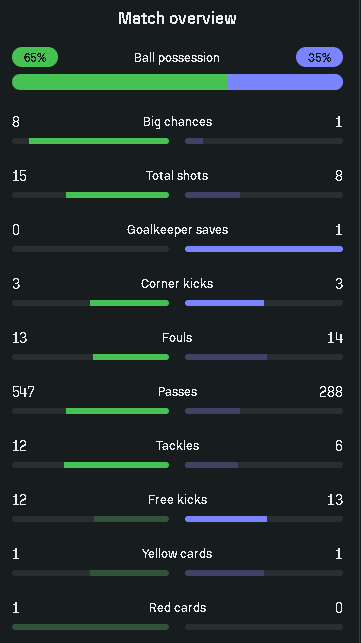
The start was slow, heavy, lacking intensity. The Netherlands had possession, but there was no tempo and no aggression in the final third. Even so, chances began to appear, which made everything even stranger because, despite creating opportunities, the team missed them in almost inexplicable fashion. First Malen, after a cross from Gakpo, completely unmarked for a simple finish, failed to even hit the target. Then Reijnders, inside the six-yard box after involvement from Dumfries, headed over the bar. Two clear chances that summed up the issue perfectly: the creation was there, the finishing was not.
Uzbekistan barely existed on the ball. They defended in a deep 5-4-1 block, very compact, with no real ability to break out or connect play. Every time they recovered possession, they seemed unsure of what to do next. That made Dutch dominance even easier, as they reached absurd possession numbers without turning it into a comfortable advantage.
The goal eventually arrived in the 31st minute, and it was no surprise that it came from a set piece. Summerville attacked the space after a pass from Dumfries and was clearly fouled by Urozov inside the box. Gakpo stepped up and converted calmly, a confident finish with no chance for the goalkeeper. It was the minimum their performance deserved at that point.
Even with the lead, little changed. The tempo remained low, the circulation predictable, and the match dragged on.
In the second half, that became even more evident. The Netherlands continued to dominate, but without urgency, almost too comfortable with the scoreline. Gakpo tried from distance after combining with Malen but once again lacked precision. Summerville also wasted a clear opportunity after a cross from Gakpo, practically with an open goal in front of him. The accumulation of missed chances was difficult to justify.
Uzbekistan, despite their limitations, started to believe. And the match changed through a completely avoidable moment. Guus Til handled the ball in a chaotic situation, play continued, but the incident was eventually reviewed. A free kick was awarded and a red card shown, a decision that seemed clearly excessive but completely changed the context.
Then, in stoppage time, at 90+1’, everything collapsed. A ball was delivered into the area, chaos followed, nobody dealt with it, the Dutch defence failed repeatedly, and the ball fell to Igor Sergeev, who tapped in the equaliser. It was an ugly goal, but one that said a lot about the team’s lack of concentration.
The response was immediate, more out of necessity than merit. In desperation, the Netherlands won a corner and another key moment followed. A penalty was awarded and, at 90+7’, Gakpo stepped up again, once more composed and reliable, to secure the victory. An ending that saved the result but did not erase everything that came before.
It was a strange, drawn-out match in which the Netherlands won but convinced very little.
Post-match
The Netherlands head into the World Cup with more questions than answers. They win, but miss too many chances, control games without killing them off, and switch off in crucial moments.
Uzbekistan, meanwhile, showed clear limitations, especially on the ball, but made the most of the circumstances and came very close to a surprising result.