
 · 2 min read
In this Bournemouth vs Milan match, I analyse the key tactical moments, individual performances and turning points of the game.
Ruben Amorim’s Milan came into the third matchday of the Europa League in good form, with two consecutive wins, including a convincing 4-0 victory over RB Salzburg. Bournemouth were also coming off two straight wins. This was an interesting test to gauge the Italians’ true level. And the answer began to emerge very early on.
In the ninth minute, Justin Kluivert converted a penalty that, in my opinion, should never have been given. There was contact between the hand and the ball, but only with the fingertips and without affecting the ball’s trajectory. Even so, Bournemouth took the lead, having already threatened through Evanilson and Gannon-Doak.
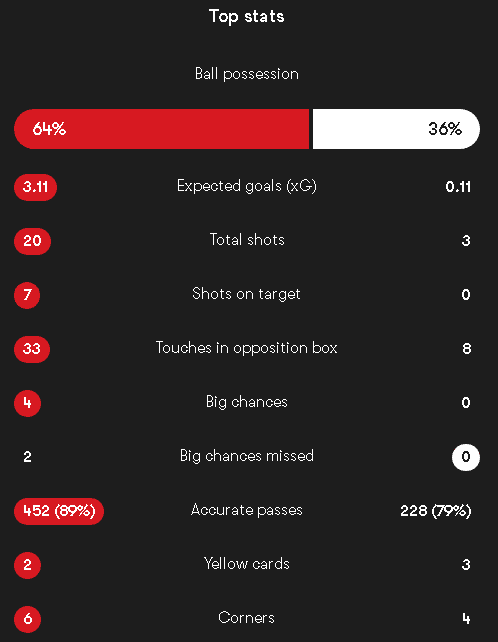
The most important point was that the English side had been clearly superior even before scoring. In the 20th minute, a pass from Tomori that was far too strong made it difficult for Musah to control the ball. Evanilson won it back and shot, although his effort lacked power. Milan enjoyed more possession at times, but couldn’t create any danger. By the 24th minute, Bournemouth had already accumulated almost two expected goals, showing that their lead wasn’t just down to the penalty.
In the 28th minute, things got even worse for the Italians. From a corner, Maignan shoved Tyler Adams in the face and was sent off. A childish reaction from an experienced goalkeeper that left his team in a terrible situation. This time, the penalty seemed fair to me. Torriani came on in goal, Hutchinson made way, and Tavernier converted in the 32nd minute to make it 2-0.
Milan switched to a 5-3-1, with Cissé isolated up front, and the game lost some of its tempo. Curiously, despite having an extra player, Bournemouth couldn’t turn their numerical advantage into complete control of possession. It’s a good example of how playing against ten men doesn’t always make attacking easier: the opposition closes down the spaces and makes it harder to find a route to goal. Even so, the first half had been a clear indication of the balance of power.
Bournemouth had registered 10 shots and 2.57 expected goals; Milan had managed just one blocked shot and a ridiculous 0.02 expected goals.
After the break, Milan made changes, but little changed. Diego Moreira produced an excellent individual run, beating four opponents, but the move came to nothing. Bournemouth didn’t seem particularly interested in stepping up the tempo either, and the second half dragged on with very few chances.
Vasilis Fotias’s refereeing didn’t help matters either. In the 62nd minute, he stopped a dangerous Bournemouth counter-attack to book Tomori when he could have played advantage. After such a questionable first penalty, it was another decision that raised doubts.
Milan didn’t have another shot until the 75th minute, when Pavlović sent a header well wide. In the 84th minute, Amine Adli sealed the result with a well-struck free-kick, taking advantage of a gap in the wall. Pavlović jumped sideways instead of going up, making it easier for the ball to find its way through.
The 3-0 scoreline is harsh on Milan, but not unfair in the main. Bournemouth had already been clearly the better side before the sending-off.
Post-match
Being a man down made the task almost impossible for the Italians, but that shouldn’t hide the problems the team were already showing. Amorim has far more to review than just Maignan’s sending-off.