
 · 2 min read
In this Spain vs Argentina match, I analyse the key tactical moments, individual performances and turning points of the game.
A World Cup final is usually built on tension, nerves and defining moments. This one lacked all three for long periods. Spain controlled the match, Argentina resisted for as long as they could, and football itself often took a back seat.
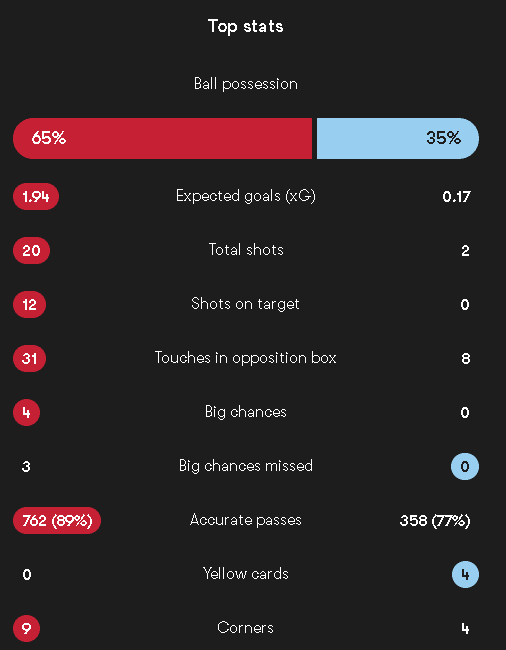
From the opening whistle, Spain took charge. They dominated possession, showed patience and circulated the ball well, but there was always the feeling that the final pass was missing. Yamal tried to combine with Olmo early on, but without creating any real danger. At the other end, Argentina simply could not play their way out. They were forced into survival mode, breaking up play whenever possible. There were plenty of fouls, constant interruptions and very little actual football.
The problem for Spain was that controlling a World Cup final is not enough on its own. Time passed, the possession statistics were one-sided, but genuine chances were almost non-existent. Oyarzabal tried his luck from distance, Cucurella did the same, but everything was too predictable for Dibu Martínez. Looking at Argentina, the feeling was even stranger. Messi was almost anonymous, the team failed to register any meaningful attempts and looked completely devoid of ideas.
The first half ended with an odd sense of emptiness. Spain had been the better side, but it hardly felt like a World Cup final.
A response from Argentina was expected after the break. It never came. They became more aggressive, more physical, with Paredes introduced to add exactly that, but with the ball they offered absolutely nothing. Spain remained camped inside the Argentine half, winning possession back quickly and pushing forward, yet continued to make poor decisions in the final third.
Yamal found Tagliafico a difficult opponent, Ferran barely influenced the game, and Spain gradually fell into the trap of relying on endless crosses. Even so, they created one excellent chance when Yamal delivered a cross that found Ferran completely unmarked, only for Dibu Martínez to produce a magnificent save.
The match drifted along in that same pattern, half tense, half lifeless, until the moment that changed everything. In the second minute of stoppage time, Enzo Fernández received his second yellow card and left Argentina down to ten men. A final that had already been difficult for the Argentines became little more than an exercise in survival.
Extra time brought exactly that. Spain attacked relentlessly, while Argentina defended deep, wasted time, tried to provoke their opponents and dragged the game into emotional chaos. Nico Williams even had a goal ruled out in a controversial decision, and the feeling of injustice began to grow.
Eventually, all that pressure had to produce something.
In the 109th minute, the breakthrough finally arrived. A deep cross was floated towards the far post, Nico Williams won the aerial duel brilliantly, and the loose ball fell perfectly for Ferran Torres, who made no mistake. It was a simple finish, but one carrying enormous weight. 1-0.
It was the moment the match had been waiting for for well over an hour.
Very little changed afterwards. Argentina attacked for the first time, almost out of necessity, but without any real threat. Spain calmly controlled possession, managed the closing minutes and allowed the clock to run down.
Post-match
Spain are deserved World Cup champions. It was not a spectacular performance, nor a particularly memorable final, but they were the only team that genuinely tried to win the match from the very beginning.
Argentina produced a very poor final, focusing far too much on disrupting play while offering almost nothing going forward. Messi bows out with a subdued performance in a match that summed up this Argentine side perfectly: competitive, yes, but a long way from inspiring.