
 · 2 min read
In this Germany vs Serbia match, I analyse the key tactical moments, individual performances and turning points of the game.
Germany came into this third Nations League game still without a win since Klopp took over, while Serbia were also looking for their first victory. Serbia’s problem is that they increasingly look like an ageing national team, while Germany, despite Klopp trying out different ideas and making several changes, simply needed to start winning.
After a defeat against Greece and a draw with the Netherlands, it was time for something to finally happen.
And it did, although Serbia helped quite a lot.
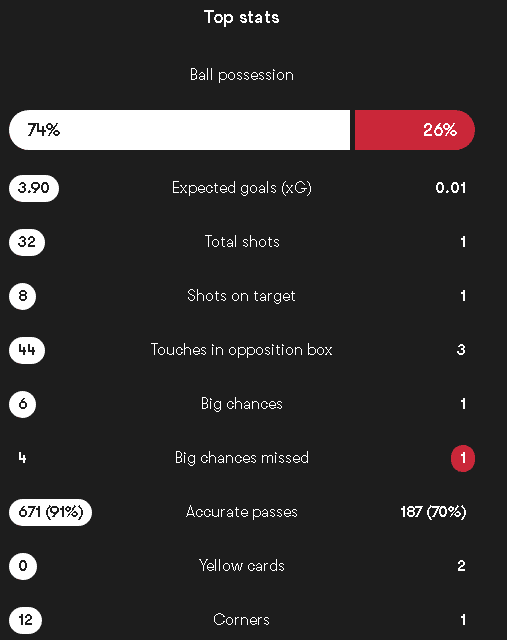
It was clear from the start what the game would look like. Serbia dropped into a very deep 5-3-2 and completely handed the ball to Germany. By the 22nd minute, the Germans had 80% possession, while Serbia’s first line of attack was practically walking around whenever they didn’t have the ball. Tadić, the captain and one of the team’s main figures, had touched the ball just once.
Germany kept piling on the attacks and chances. Woltemade won the ball in the air but headed badly, Gnabry got in behind and forced an excellent save from Petrović with his leg, and Wirtz also found space to head the ball, again forcing a save from the Serbian goalkeeper.
Serbia, on the other hand, had a huge opportunity when Kostić carried the ball forward with space and crossed for Nedeljković at the far post, but the player couldn’t get there in time. It didn’t even count towards the expected goals, but it was a huge chance.
Germany’s goal eventually came in the 39th minute. Wirtz received the ball inside the box, produced an absurd dribble in a tight space and hit the post. The ball fell to Tom Bischof, completely alone where he shouldn’t have been, and the midfielder didn’t miss, firing a proper rocket into the back of the net. 1-0.
Not much changed in the second half. Serbia still couldn’t create anything and, by the 60th minute, hadn’t even had a shot. Germany were completely in control and didn’t need to speed things up either.
In the 61st minute, Wirtz appeared again. Mittelstädt found space and played the ball to the German, who received it between the Serbian centre-backs with an absurd amount of freedom. Wirtz calmly and confidently took Srdjan Babić out of the game with brilliant technical quality before finishing into the net. Pure class. 2-0 and a great performance from the German, who also scored his first goal of the season.
After that, Serbia showed incredible impotence. They finally managed a shot in the 77th minute through Kostić, but Urbig saved comfortably. Germany continued to create, with Thiaw forcing another save from Petrović, while Serbia once again finished a game without being able to genuinely trouble their opponents.
In the end, the game depended entirely on Germany. Even after the first goal, the team never needed to speed things up because Serbia simply couldn’t do anything. For Klopp, a win finally arrived.
Post-match
It wasn’t a perfect or particularly intense performance, but it was exactly what Germany needed: dominate, score and control.