

In this Brazil vs Egypt match, I analyse the key tactical moments, individual performances and turning points of the game.
Brazil and Egypt played a friendly that felt like a serious test ahead of the World Cup, especially from the Brazilian side, which is still searching for its identity. The recent win over Panama did little to remove doubts, largely because of the clear difference between the first and second halves of that match. Here, against a slightly more demanding opponent, the goal was to see whether Brazil could combine both results and performances.
The opening stages immediately showed an interesting detail: Paquetá had a lot of freedom in midfield, moving around, appearing in different areas and giving quality to Brazil’s possession. Brazil started with a high press, and it was exactly through that approach that they found the opening goal in the 7th minute. Bruno Guimarães took advantage of a well-coordinated press, closing passing lanes alongside a teammate, won the ball from Mohanad Lasheen near the box and finished calmly with an open, placed shot.
But the lead did not last long and exposed a problem that would repeat itself throughout the first half. In the 10th minute, Marquinhos attempted a careless back pass, left it short, and Ziko took full advantage. He received the ball with space and finished coolly as well, with an open shot into the corner for the equaliser. It was a moment that perfectly summed up Brazil’s defensive disorganisation, both in the individual decision-making and the lack of communication.
The game remained open, which was entertaining for spectators but worrying for Brazil. Vinícius Jr had a good opportunity on the counterattack, but took too long to decide and allowed Mostafa Shobeir to make the save. Igor Thiago showed up in some promising movements, but was never truly involved as the attacking reference point. There was a lack of presence in the box and a more direct connection to him.
At the same time, Egypt were not simply sitting back. They traded blows, took advantage of Brazil’s mistakes and showed personality. Even so, the better chances continued to fall Brazil’s way, although they were poorly finished. Igor Thiago found himself in another good position after a pass from Guimarães but failed to beat the goalkeeper. Shortly afterwards, he hesitated again in a situation where he could have shot earlier, ultimately ruining the entire move.
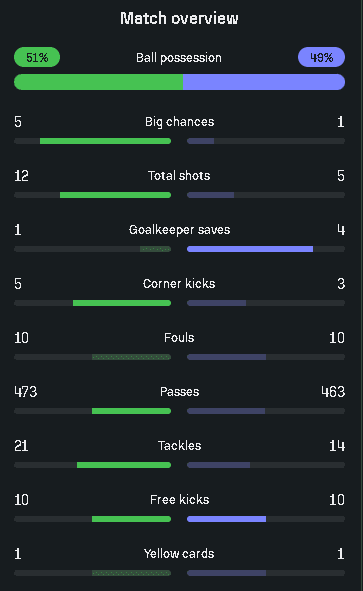
The feeling at half-time was clear: Brazil had more possession, more shots and more danger, but also a defensive fragility that was impossible to ignore. It was a team capable of creating a lot, but also of giving away too much.
The second half brought a radical change. Ancelotti made changes across almost the entire team, repeating the approach used in the previous match, and that altered the rhythm. Brazil became more organised and less exposed, although also less intense in their pressing.
The winning goal arrived in the 52nd minute and once again came from offensive pressure. The ball fell to Raphinha inside the box, who drilled a low cross across goal and found Endrick perfectly positioned to finish with quality. 2-1.
From that point on, the game changed. Brazil dropped deeper, stopped pressing as aggressively and Egypt began to see more of the ball. However, that possession rarely translated into genuine danger. Brazil’s defence, which had looked chaotic in the first half, appeared much more stable, largely because it was no longer being exposed as often.
Egypt tried to grow into the game late on, with Zizo attempting a long-range effort in stoppage time, but without success. Brazil ultimately managed the lead without major scares, in a match that delivered mixed signals: clear attacking quality, but also problems that remain unresolved.
Post-match
Brazil heads into the World Cup with obvious concerns, especially regarding defensive consistency and the balance between attacking and defending. There is talent, there is creativity, but there is still a lack of solidity and continuity.
Egypt, meanwhile, showed organisation and courage, but also confirmed their limitations when facing teams with greater individual quality.