

In this Morocco vs Norway match, I analyse the key tactical moments, individual performances and turning points of the game.
Morocco and Norway delivered a friendly that felt like a World Cup match, the kind that justifies the “dark horse” label. Neither side is among the absolute favorites in a tournament like this, but both have talent, identity, and players capable of deciding games. That was evident from the very first minutes.
Morocco came flying out of the blocks, pressing aggressively, playing on the front foot in the final third, and showing they wanted to control the game. Right at the start, they created danger through a high recovery and a move in which Saibari hesitated in the final decision, allowing Ødegaard to prevent what was practically a certain goal. It was a clear warning of what was coming.
The opening goal arrived in the 8th minute and came directly from Morocco’s identity. A quick transition, three versus three, with Abde carrying the ball intelligently, waiting for the right moment before slipping it through to Brahim Díaz, who finished with great quality and precision into the back of the net. A simple move, but executed perfectly, highlighting this team’s ability to exploit space.
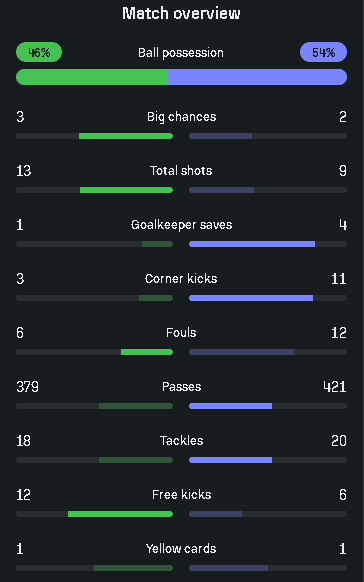
Norway took time to respond. They enjoyed more possession as the half progressed, but struggled to turn it into consistent danger. Still, there was one moment that could have changed the game: Sørloth’s goal, which was ruled out for a foul on Mazraoui. The decision felt harsh and, honestly, there is a sense that it was the wrong call, as the contact did not seem sufficient to disallow the goal.
Despite Norway’s greater share of possession, the emotional and tactical control belonged to Morocco. They defended well, closed spaces effectively, and remained dangerous on the counterattack. The atmosphere in the stadium, with fans shouting olés during passing sequences, reflected that dominance. Hakimi also got involved offensively, linking up with Abde in a move that was eventually blocked, but which further reinforced Morocco’s superiority.
Before halftime, Norway finally created a clear chance, winning the ball high up the pitch, with Nusa getting a shot away from inside the area. The goalkeeper made the save, and Haaland was unable to capitalize on the rebound. It was one of the few moments in which the Moroccan defense was truly tested.
The second half brought a different rhythm. Norway started better, seeing more of the ball and showing greater intent, but they still lacked a real presence inside the penalty area. Brahim nearly doubled the lead after a powerful effort was parried by the goalkeeper, only for El Aynaoui to miss the rebound with a header.
The equalizer arrived in the 75th minute and reflected Norway’s improvement throughout the match. Oscar Bobb, who had recently come on, did everything right on the right flank, waiting patiently, drawing defenders in, and then delivering the ball into the box at exactly the right moment. Ødegaard arrived completely unmarked and finished with class. It was also a move that highlighted an important point: the difference in quality and impact between the players coming on and those going off, particularly on the Norwegian side.
Until the final whistle, Norway still threatened from a set piece, with Ryerson delivering an excellent cross and Heggem finding space for a header, though he could not direct it on target. Morocco, meanwhile, noticeably lost quality after making substitutions. The team no longer had the same ability to retain possession or break forward with danger.
In the end, the feeling is of a balanced, competitive match with moments of quality from both sides.
Post-match
Morocco confirmed that they remain highly competitive, especially with their strongest starting eleven, but questions remain regarding the depth of the squad.
Norway, meanwhile, showed that they possess talent and options, particularly from the bench, but they need greater attacking consistency and a better use of their players’ strengths, as in the case of Sørloth.