
 · 2 min read
In this Porto vs Torreense match, I analyse the key tactical moments, individual performances and turning points of the game.
There are matches that tell unlikely stories before they have even begun, and this Super Cup final was one of them. Porto, the champions, against second-division Torreense, who had already done the impossible by knocking out Sporting. It was a lovely story while it lasted, because once the match got underway, it quickly became clear that logic would eventually prevail.
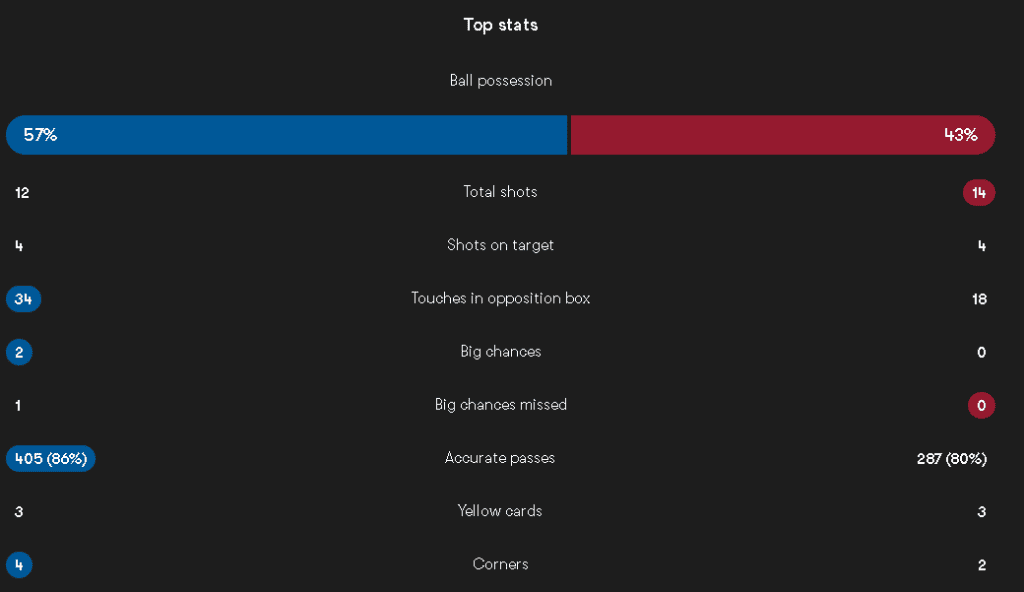
The opening, however, was deceptive. Just two minutes in, Diogo Costa was called into action, and that said a lot about what was happening: Torreense started fearlessly, with tempo, movement, and an almost naïve determination to keep dreaming. For several minutes, they pushed Porto back, linked play well, and forced the Porto defence to work much harder than expected. There was less quality, of course, but there was a clear plan.
Football, however, is also about surviving moments like those, and Porto managed exactly that until they gradually brought the game onto their own terms. From then on, they enjoyed more possession, although not always to better effect. They lacked composure and judgement, and at times it felt as though they were trying to settle everything with a single move. Even so, the chances started to come.
First, André Silva missed unbelievably, completely unmarked, without even making contact with the ball. Then Pepê came to life, created an imbalance, and all but handed William Borges a goal, only for him to fire over with the goal at his mercy. The signs were already clear: Porto were on top, while Torreense were dropping deeper and deeper, trapped in a low block that remained disciplined but became increasingly reactive.
The breakthrough eventually came in the 38th minute, and it was one of those moments that said as much about the game as it did about defensive concentration. Pepê had time and space on the left to lift his head and deliver a cross, while Victor Froholdt arrived in the box with alarming ease. He barely had to jump, simply heading home for 1-0 against far too passive marking. It was an “easy” goal, created more by a lack of defensive aggression than by attacking brilliance.
Before the interval, there was still a scare: a defensive mistake by Porto, a quick transition, and Diogo Costa preserving the lead with an important save. It was a reminder that a 1-0 lead is never comfortable.
The second half had less of a story to tell. Torreense tried to stay alive, still showing some early energy, but without any real ability to hurt Porto. Porto, meanwhile, never really stepped up the tempo either. They controlled the game, managed it well, pressed when necessary, but were rarely truly incisive. There were one or two shots, a save from Adriel Ramos, but nothing that changed the course of the match.
As the minutes passed, a strange feeling settled over the game: Porto looked comfortable, yet never truly killed it off. Torreense simply did not seem to have the quality to challenge them. Even when they pushed a little higher up the pitch towards the end, they failed to create any genuine danger. It was a push driven more by belief than by ability, and against teams of this level, that usually comes at a cost (even if it did not result in any more goals here).
Post-match
A deserved victory, but not a particularly exciting one. Porto got the job done and are champions. They showed some encouraging moments, but always seemed to lack the ambition to put the game beyond doubt convincingly.