
 · 2 min read
In this Saudi Arabia vs Uzbekistan match, I analyse the key tactical moments, individual performances and turning points of the game.
Saudi Arabia hosted Uzbekistan in a friendly during the November 2026 international break. The Saudis arrived on the back of a win against South Korea and having lifted the Gulf Cup, while the visitors were coming off a defeat against Russia after throwing away a two-goal lead. Uzbekistan were also without Abdukodir Khusanov, the Manchester City centre-back and one of their key players.
Saudi Arabia made the better start and began by controlling possession, with Saud Abdulhamid taking the lead down the right. On 7′, Marwan Al-Sahafi managed the first shot on target after finding space behind the opposition defence.
However, the first major mistake of the match came on 19′. Saudi goalkeeper Hamed Al-Shanqiti had the ball under control and, under no pressure whatsoever, attempted to find a midfielder with a very poor pass. Sherzod Esanov gratefully accepted the gift and simply tapped the ball into an empty net to make it 0-1. A very difficult mistake to accept, even considering the goalkeeper’s young age.
The response came quickly. On 23′, Ahmed Alghamdi had time and space to deliver a cross from the right and found Firas Al-Buraikan inside the box. The striker made a good run and headed home to equalise, also taking advantage of a very poor marking effort from Ashurmatov. Saudi Arabia seemed to have regained control, but once again gifted their opponents a goal.
On 34′, following a wide free-kick, the Saudi defence failed to clear the ball and Alghamdi, in a desperate attempt to get it away, practically played a chest pass straight into Esanov’s path. The winger made no mistake and put Uzbekistan back in front. Two goals, two major errors and a Saudi side making life difficult for themselves in a match they had managed to control up to that point. To make matters worse, Isanov also scored on 39′, but the goal was ruled out.
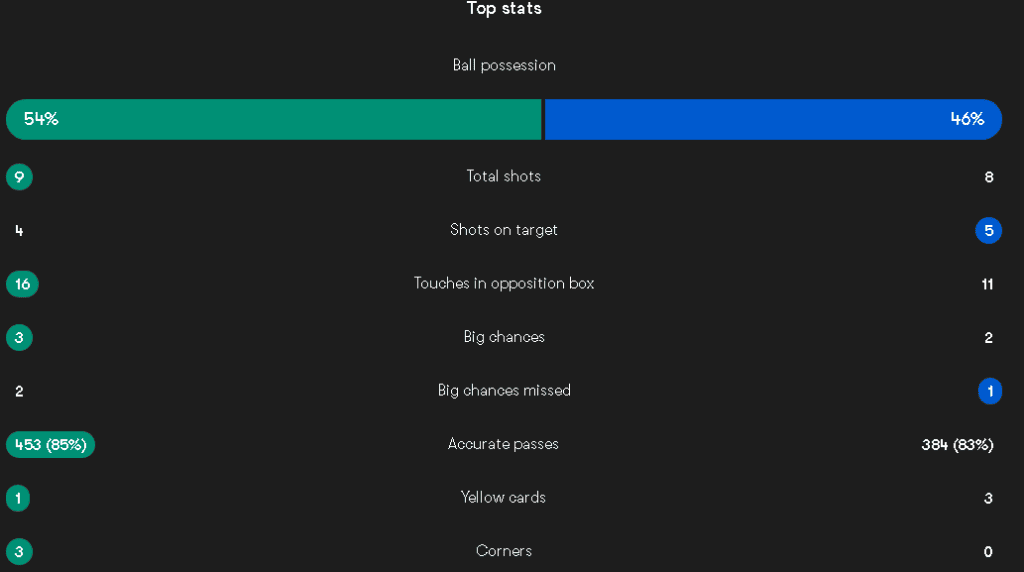
Despite having 60% possession, Saudi Arabia had not created that many clear chances. Uzbekistan were not putting in a particularly impressive performance either, but they had taken advantage of the gifts and went into half-time with the lead.
The second half started in the worst possible way for the Saudis. Lajami, who had come on at half-time to replace Al-Amri, already on a yellow card, was sent off on 51′ following a very reckless challenge on Fayzullayev. A substitution intended to avoid risks ended up producing exactly the opposite. The Uzbek player had to leave the pitch in tears, while Saudi Arabia were reduced to ten men.
With one man down, the Saudis reorganised into a 4-4-1 and dropped much deeper defensively. Uzbekistan naturally took control of the game and came close to scoring on 67′, when a header from close range was struck weakly and straight at Abdulquddus Atiah, who had come on at half-time.
The visitors continued to dominate possession and accumulate shots, while Saudi Arabia had yet to register a single shot on target in the second half.
It was not until 74′ that the Saudis threatened again, through Al Kuwaykibi, who produced an excellent individual move, beat an opponent and fired from outside the box, but his effort went wide. Saudi Arabia tried to push forward in the closing minutes and had another opportunity on 79′, but the header was far too weak. Deep into stoppage time, they did find the net, but the goal was correctly ruled out for a foul by Ziyad Al-Johani on Nematov, Uzbekistan’s goalkeeper.
Post-match
Uzbekistan won without needing to produce a great performance, taking advantage of a Saudi Arabia side that was far too inconsistent. Al-Shanqiti and Alghamdi gifted them their goals, while Lajami made an already difficult situation even worse with an avoidable sending-off. There is individual quality in this Saudi side, but collective consistency is still missing.