
 · 2 min read
In this Spain vs Belgium match, I analyse the key tactical moments, individual performances and turning points of the game.
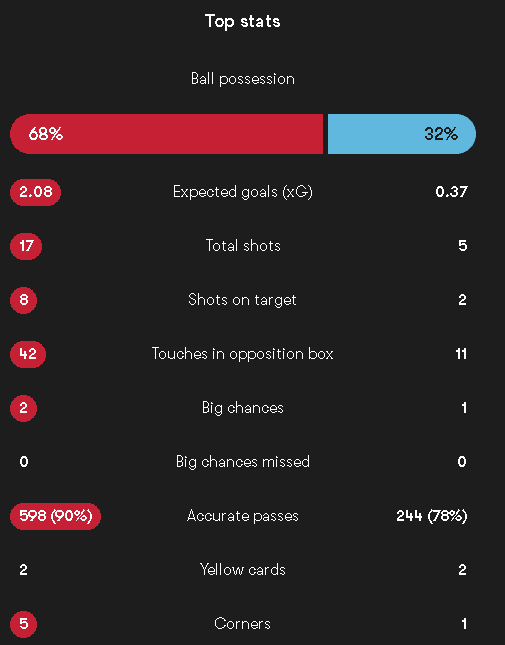
The match began exactly as many expected: cautious, with Spain controlling possession and Belgium looking comfortable without the ball. It was not an aggressive Belgian press, but rather a patient approach, waiting for Spain to make a mistake. Spain, meanwhile, moved the ball around well, but lacked real penetration during the opening stages.
The feeling was obvious: Spain had control, but they were not hurting Belgium.
Yamal was the player trying hardest to make something happen. Every time he got on the ball, Doku struggled to deal with him, and that gradually tilted the game in Spain’s favour. Even so, there was always something missing – the final shot, the quicker decision, the decisive touch.
Eventually, the game produced its first moment of real quality.
In the 30th minute, the move developed down the right before a well-weighted ball found Dani Olmo inside the box. His effort was saved by Courtois, but the Belgian goalkeeper could only push it straight back into danger, where Fabián Ruiz was waiting to calmly tap into the net. It was a simple goal, but one created through persistence. And yes, Courtois could have done better with the initial save.
Spain deservedly took the lead, as they had been the only side genuinely trying to attack.
But football has a way of changing things.
In the 41st minute, almost the first time Belgium managed to build an attack with any real quality, everything changed. The ball was worked out to the right, a simple combination created space for Castagne, who delivered an excellent cross. Inside the area, De Ketelaere rose highest and guided a precise header into the net. An unexpected equaliser, but an extremely clinical one.
The second half followed much the same pattern. Spain dominated possession while Belgium remained compact and deep. But there was a clear problem with the Spanish side: plenty of circulation, very little aggression. Too often they seemed to be waiting for the perfect opportunity, and that moment does not always arrive.
Belgium, despite creating very little, gradually became more comfortable. They managed a few forward moves and a handful of attacks, but without posing any real threat.
The match entered a strange spell. Emotionally it felt open, but genuine chances were scarce. And when that happens, games are usually decided by a single detail. That is exactly what happened.
In the 87th minute, Cubarsí tried his luck from distance with a low effort that looked relatively harmless. Lammens made the save, but spilled the ball straight in front of him. Merino reacted quicker than anyone else, kept it simple and fired home. It was not a goal created by brilliant football, but by awareness and being in the right place at the right time. In matches like these, that is often all that matters. 2-1.
Belgium tried to respond, but it was driven more by desperation than organisation. There was one moment when the game could have turned again, but Laporte produced a crucial clearance to make up for a mistake from Unai Simón.
At that point, it was clear there would be no way back.
Post-match
Spain progress without producing a spectacular performance, but they were clinical when it mattered most. They still lack a degree of creativity and aggression in the final third, but they continue to show control and maturity.
Belgium, meanwhile, offered very little in possession and ultimately paid the price. They competed well enough, but never truly looked capable of taking control of the match.