
 · 2 min read
In this USA vs Australia match, I analyse the key tactical moments, individual performances and turning points of the game.
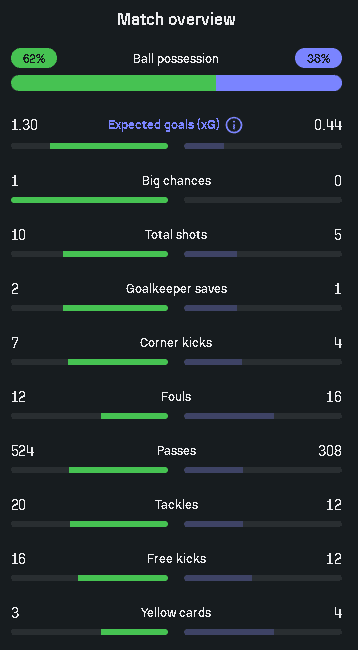
It was an interesting match because of the contrast in styles. The USA had more talent, more possession and more initiative. Australia were more reactive, comfortable without the ball and dangerous in specific moments, particularly in the air. And the game ended up following exactly that script.
The USA’s start was not perfect. Early on, Alexander Freeman gave the ball away with a risky pass, providing the first warning that not everything would be controlled through possession. Even so, the team quickly took command and began pushing Australia deeper.
The idea was clear: exploit the flanks, gain depth and try to create from there. But there was an obvious problem: crossing against three tall centre-backs did not seem like the best solution.
The opening goal came more from a mistake than from a brilliant move. In the 11th minute, a ball was played down the left for Balogun to chase. He won the race, entered the box and did the simplest thing, cutting the ball back across goal. Cameron Burgess, trying to clear it, ended up putting it into his own net. A moment where pressure and pace made all the difference. 1-0.
With the lead, the USA grew even more into the game. More possession, more control and, above all, very effective attacking pressure. Australia could barely play out from the back with any quality and were pinned inside their own half.
Even so, the second goal took time to arrive, largely because there was a lack of clarity in the final third. Eventually it came from a somewhat scrappy but effective situation. In the 43rd minute, a wide free-kick was delivered into the area. After an initial shot was blocked, the ball bounced to the edge of the box, popped up into the air and hung there. Alexander Freeman reacted well inside the area and headed it home. The goal was checked, but he was onside. A goal born from persistence and awareness. 2-0, and the scoreline felt fair.
The second half was far more controlled than spectacular. The USA never lost control, but they never pushed too hard either. Balogun remained a constant headache, always attacking the space behind, always difficult to stop, even without getting on the scoresheet.
Australia tried to respond and had one or two moments, such as a counter-attack that ended with a Volpato effort sailing over the bar, but they never truly looked capable of getting back into the match. They lacked quality in decision-making and consistency in linking attacks together.
As time went on, the game became more physical, more stop-start and more fragmented. That clearly suited the USA, who managed the result without much pressure.
Even when Australia pushed higher in the closing stages, there was little organisation. Too many aimless crosses, rushed decisions and very little genuine ability to create danger.
Post-match
A comfortable victory for the USA, built largely on control and aggressive pressing. Balogun had an outstanding game despite not scoring. Australia tried, but were consistently limited in attack and predictable in the way they approached the game going forward.