
 · 2 min read
In this Belgium vs Egypt match, I analyse the key tactical moments, individual performances and turning points of the game.
There was a clear expectation going into this match: Belgium were the favourites, with more talent, more options and greater individual quality, while Egypt arrived as an organised side, dangerous in transition and equipped with players capable of punishing any mistake. And that is exactly how the game began to take shape.
The opening stages were fairly balanced, with neither side looking to dominate possession from the start. Much of Belgium’s play went through De Bruyne, while Doku was frequently used to try and accelerate attacks, but finding space proved difficult.
And just when the match seemed under control, the moment that changed everything arrived. In the 20th minute, Salah received the ball, lifted his head and found Emam Ashour completely free outside the box. The kind of time and space you simply cannot allow at this level. Ashour needed no second invitation. He unleashed a powerful, driven strike that left Courtois with absolutely no chance. A brilliant goal, the type that cannot be saved, only prevented.
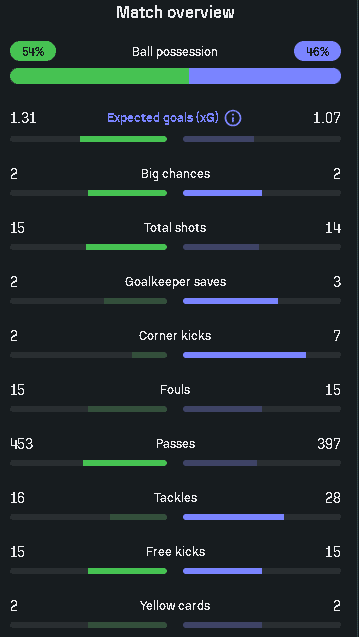
From that point on, Belgium became even more restricted. They enjoyed more possession but lacked ideas. Time and again they looked for Doku in one-on-one situations, but the winger was consistently well-marked and often outnumbered. When that happens, the entire attacking plan begins to look limited.
Belgium’s best chance before half-time came deep into stoppage time. A ball was lifted into the area, flicked on with a header, and Doku found himself with room to finish. He struck it first time, but the effort flew over the bar.
At the other end, Egypt were playing exactly the match they wanted. They defended well, broke forward when opportunities arose and, most importantly, kept Belgium away from their goal.
The second half saw Belgium try to make adjustments, changing positions and searching for new solutions. De Bruyne continued to take responsibility and, in the 53rd minute, came agonisingly close to changing the game with a direct free-kick that struck the post. It was one of those moments when the entire stadium had already started celebrating.
Still, the overall feeling remained the same: plenty of effort, very little clarity. It was only after Lukaku entered the pitch that something genuinely changed. Belgium suddenly had more presence in the box, more physicality and a true focal point in attack.
The equaliser came directly from that shift. In the 66th minute, a low ball was played into the penalty area. Lukaku occupied both centre-backs and dragged defenders towards him, and amid the resulting chaos, Hany accidentally turned the ball into his own net. It was a scrappy goal, but it stemmed from something Belgium had lacked for most of the game: a player capable of dominating that space. 1-1.
The match opened up slightly after that. Belgium grew in belief, pushed higher and began creating more danger. In the 82nd minute, De Bruyne delivered a cross and Mechele met it with a powerful header, forcing Mostafa Shobeir into an excellent save.
There was still time for one final Lukaku header before the end, but it lacked direction. The lasting impression was that Belgium probably could have done more, yet never really knew how to. Egypt, meanwhile, produced an admirable performance and look like a team capable of causing problems for anyone they face.
Post-match
The draw ultimately punishes a Belgian side that lacked creativity and relied too heavily on individual moments. If Belgium want to go deep into this tournament, they will need to discover far more attacking solutions.