
 · 2 min read
In this Argentina vs Egypt match, I analyse the key tactical moments, individual performances and turning points of the game.
The match began with a strange feeling. Argentina were the favourites, of course, but they were coming off an unconvincing performance, and there was a sense of uncertainty surrounding them. Egypt, meanwhile, showed no fear. They started aggressively, played direct football and looked to exploit every bit of space they could find.
That approach led to the first decisive moment. In the 14th minute, Ateya delivered a cross from the right and Ibrahim rose highest in the box. His powerful, well-placed header gave Dibu Martínez no chance. It was a goal born from determination and an Argentine defence that was far too passive.
Argentina did respond, but once again everything seemed to rely on moments of individual brilliance. There was little fluency and even less collective creativity. Even so, they had a huge chance to equalise.
In the 21st minute, Messi stepped up to take an important penalty, but Shobeir guessed the right way and made the save. It was a huge moment, not only because of the missed penalty itself, but because of its emotional impact on the game.
Argentina created more danger after the cooling break, but it was obvious that almost everything depended on Messi.
Early in the second half, Egypt nearly doubled their lead. Haissem Hassan led a counter-attack, beating several defenders before putting Ziko through on goal. The ball found the net, but the effort was ruled out. It was one of those moments that leaves everyone wondering and changes the mood of the match. It remained 0-1.
Even so, Egypt never lost their composure. They stayed organised and remained fully committed to their game plan.
Then, in the 67th minute, came the second goal. Salah led the counter-attack before releasing Hassan at exactly the right moment. Once again, he caused problems down the left, reached the byline and cut the ball back into the box, where Ziko arrived to finish. It was a brilliantly worked goal: quick, direct and clinical.
At that stage, the game looked over. Argentina appeared lost, without clear solutions and once again waiting for an isolated moment to save them. Eventually, that moment arrived.
In the 79th minute, Messi floated a cross into the area and Romero found himself completely unmarked. He headed towards goal and, despite Shobeir getting a touch, the ball crossed the line. It was a goal created more by Egypt’s defensive disorganisation than by Argentina’s attacking play. Suddenly, everything changed.
Just four minutes later, Messi was involved again. The move broke down before the ball came back to him on the edge of the box. He struck it powerfully, the shot crashed off the crossbar and bounced into the net. It was one of those goals that felt inevitable, scored by a player who simply keeps going until he finds a way. 2-2.
Egypt, who had looked so comfortable for so long, suddenly felt the game slipping away. They could no longer play their way out, no longer find any breathing room. And in the final moments, the comeback was completed.
In the third minute of stoppage time, Enzo Fernández scored to make it 3-2, completing the comeback for an Argentina side once again reliant on Messi, hated by much of the football world, yet still finding a way to progress in this World Cup. In the space of just a few minutes, everything that had seemed under control disappeared. That is football.
Post-match
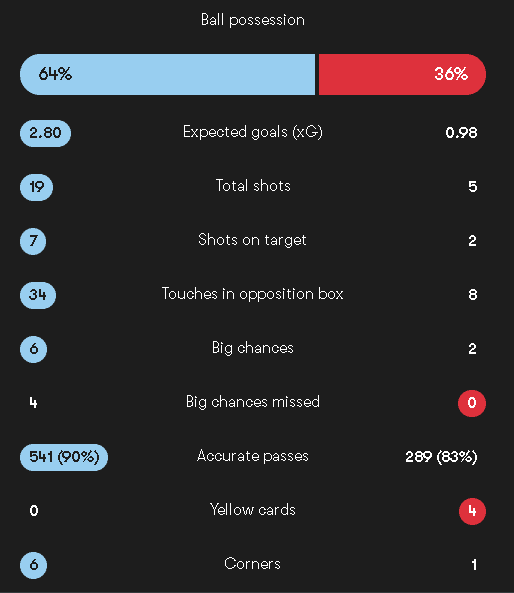
Argentina survived by the finest of margins once again. They relied on individual brilliance, they looked vulnerable, but somehow found a way to turn the game around.
Egypt, meanwhile, produced a very intelligent performance for most of the match, but could not hold on once the game became emotional and chaotic.