
 · 2 min read
In this Australia vs Egypt match, I analyse the key tactical moments, individual performances and turning points of the game.
It was one of those games where you more or less knew what was going to happen. Two teams with clear limitations, predictable styles and little ability to raise the overall quality. Even so, being a knockout match, there was always that tension that one moment could decide everything.
Australia came out with their usual identity: direct football and looking to capitalise on mistakes. They even had an interesting moment early on, with Volpato turning outside the box and hitting the crossbar. A rare warning, but one that did not change the game plan.
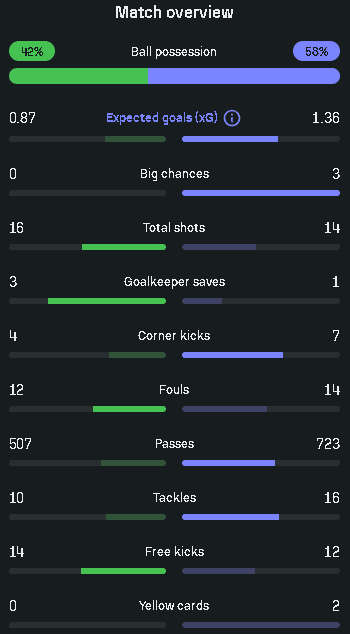
Egypt, as expected, gradually took control of possession. Not with great creativity, but with more initiative. They tried to move the ball around and push Australia back, even if there was very little tempo to their play. Salah, clearly nowhere near his best physically, offered very little.
The opening goal came in the 13th minute and resulted from something simple that was poorly defended. A wide free-kick was only half-cleared inside the box, and Hafez lifted the ball back in. Ashour arrived completely unmarked, almost hidden among the defenders, and headed calmly into the corner. Australia were clearly at fault with their marking and paid the price.
After that, the game settled into a slow rhythm. Egypt continued to enjoy more possession, but without creating any real danger. Australia almost gave up trying to play, simply waiting for a long ball or a cross. And whenever they did try to build from the ground, their limitations quickly became obvious.
Even so, there was an interesting spell. From a certain point in the first half, Australia actually began to enjoy more possession and spend more time in the opposition half, but without any real consequence. It was possession without intent, without the ability to hurt Egypt.
The second half did not change the pattern of the game, but it did change the scoreline. In the 55th minute, a set-piece was crossed into the box and Mohamed Hany ended up turning the ball into his own net. A scrappy moment, typical of this kind of match, where nobody was ever fully in control.
With the equaliser, the game became even more cautious. Neither side wanted to take too many risks. Egypt tried to keep more of the ball, but always at a slow, predictable pace. Australia stayed true to their style, more concerned with avoiding defeat than actually going on to win.
Salah remained anonymous, Marmoush also had very little impact, and the player who tried to inject some life into the game was Haissem Hassan, bringing energy and willingness.
Even so, clear-cut chances were rare. The best opportunity came deep into stoppage time, when Rabia’s header was brilliantly saved by Patrick Beach, before Souttar made a crucial clearance from a follow-up effort that looked destined for the net.
Extra time followed the same pattern. Egypt had more of the ball, Australia defended. But everything remained predictable, scrappy and lacking any real spark.
There was even an interesting moment right at the end, with Australia changing goalkeepers before the penalty shoot-out, bringing on Mathew Ryan as a penalty specialist.
In the end, though, it made no difference. Egypt were more clinical, calmer and more composed in the shoot-out, eventually coming out on top in a game that never reached a particularly high standard, but still managed to keep the outcome uncertain until the very end.
Post-match
A poor game in terms of quality, but a typical evenly matched knockout contest. Egypt confirmed their slight status as favourites, but without being particularly convincing.
Australia did what they know best, competed well, but once again showed plenty of limitations in possession. In the end, it came down to the fine margins, and Egypt handled them better.