
 · 2 min read
In this Argentina vs Cape Verde match, I analyse the key tactical moments, individual performances and turning points of the game.
The game began with a slight surprise. Morocco were expected to dominate from the start, but it was Canada who made the brighter opening. They were more aggressive, more direct, looking to take advantage of every mistake and push the game towards the Moroccan penalty area.
During that early spell, Canada managed to cause problems, mainly through defensive errors from Morocco. They were always missing the final pass or the right decision, but the feeling was clear: Morocco looked uncomfortable.
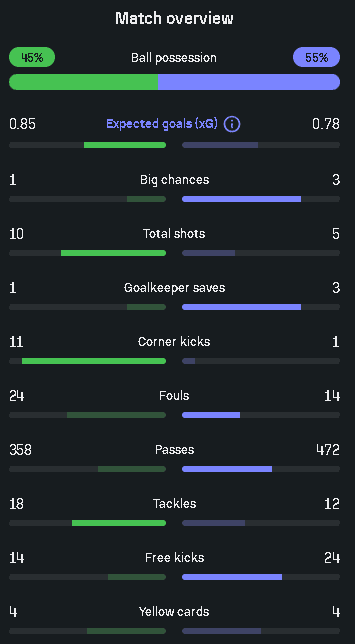
That remained the case for almost the entire first half. Morocco had more of the ball, as expected, but it was sterile possession. They moved it around far from the penalty area, unable to link their play together or produce any real creativity. Saibari’s injury and early departure certainly did not help in that respect.
At the other end, Canada defended well and always looked the more likely side to create danger, despite having less possession. Even so, they did not make much of those situations either. It was a strange game, with very little attacking quality, plenty of duels, plenty of fouls and a great deal of nervousness.
The half-time score reflected the match perfectly: lots of battles, very little clarity.
Everything changed very quickly after the break. In the 50th minute, from a set-piece, Hakimi played a clever low pass to the edge of the box, where Ounahi was left completely unmarked. Nobody stepped out to close him down, nobody tracked his run, and he had all the time he needed to control the ball and place a low finish beyond Crépeau. It was a goal that came more from a lack of concentration than from brilliant build-up play.
That goal completely changed the game. Canada lost the organisation they had shown before, started taking more risks, and the match opened up. But opening the game against a team like Morocco is often asking for trouble.
Even so, Canada kept trying. They had one or two efforts from distance and managed to apply some pressure, but never with any real threat. They lacked quality, they lacked someone capable of making the difference. And this is where one decision was difficult to understand: Davies spent the entire game on the bench. For a team crying out for pace, unpredictability and something different, he simply never came on.
Morocco, meanwhile, began to find more space. And when they find space, they are a much more comfortable team.
The second goal came in the 82nd minute from a well-executed counter-attack. Brahim Díaz cut inside from the right, attracted the defenders and released the ball at exactly the right moment for Ounahi. Once again, he found himself with plenty of space and finished confidently. A simple move, but one carried out with real quality.
From that point on, the game was over. Canada no longer had the organisation or the composure to respond, and Morocco took complete control.
There was still time to put the result beyond any doubt. In the 90+7th minute, Morocco won the ball back high up the pitch, played it in behind the defence, and Rahimi found himself through on goal. With time and space, he calmly finished to make it three. A goal that perfectly summed up the closing stages: Canada exposed, Morocco clinical.
Post-match
Morocco confirmed their status as favourites, but it was not as comfortable a game as the final score suggests. They grew into the match at exactly the right time and were clinical when it mattered.
Canada, meanwhile, leave with the feeling that they could have done more, particularly because of the manager’s decisions. Leaving Davies on the bench for the entire match is difficult to justify.