
 · 2 min read
In this Ecuador vs Germany match, I analyse the key tactical moments, individual performances and turning points of the game.
The context was simple: for Ecuador it was do or die, while for Germany it was almost a case of game management. That was clear from the start, although there was one interesting detail: Germany were the side that began better.
In the 2nd minute, there was an incident that immediately sparked debate. Pavlović raised his foot high in a risky challenge but got the ball first. Wirtz picked it up inside the box with little space and showed the composure not to force the shot. Instead, he laid it off to Sané, who was already facing goal and finished quickly. A goal born from a borderline situation, but one that also highlighted the difference in decision-making in the final third. 0-1.
Ecuador’s response was immediate and, above all, unexpected in the way it arrived. In the 9th minute, Angulo received the ball outside the box with plenty of space, and Germany made a clear mistake by failing to close him down. He drove forward, lifted his head and tried his luck from distance. The strike was powerful and perfectly placed, leaving Neuer with no chance. It was not just a fine goal, but also a warning: if you give Ecuador space, they will take the shot. 1-1.
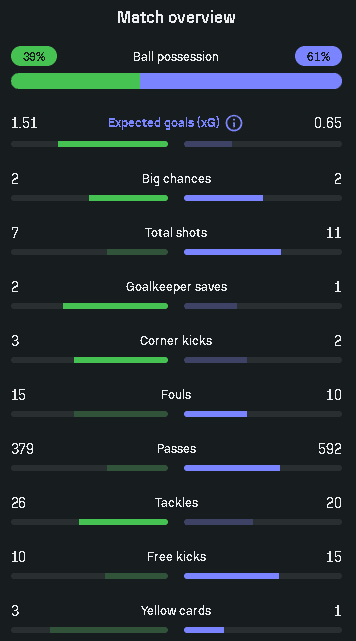
From there, the game settled into a strange rhythm. Germany had more of the ball and controlled the tempo, but created very little. That says a lot, because although they had already qualified, they looked almost too comfortable, as if they had switched off.
Ecuador, on the other hand, made up for it with intensity. They pressed well, won the ball back regularly and were aggressive in the duels. But one problem that had already been evident in previous matches surfaced again: once they regained possession, they made the wrong decisions. The final pass lacked quality, counter-attacks lacked composure. They got into promising positions but rarely looked threatening.
As a result, the first half drifted by with the scoreline balanced, but not because either side was creating genuine danger. Germany had the possession, Ecuador had the desire, yet neither team could truly take control of the game.
The second half followed the same pattern, but with one important difference: Ecuador started to believe more. Even so, they still lacked that one clear moment until the game descended into chaos.
First came an incident that could have changed everything. Germany were awarded a penalty after a foul by Ordóñez, but the decision was rushed. VAR intervened correctly, spotting a foul on Sané earlier in the move, and the penalty was overturned. Emotionally, it changed the game.
Ecuador grew into the contest. They began pushing higher, even if not always in an organised way. Caicedo found himself in a good position inside the area but failed to make contact. Plata then saw a shot blocked by Tah. It was no longer just intensity; they were beginning to sustain pressure.
Then came the decisive moment. In the 77th minute, Ecuador won a corner. Kevin Rodríguez won the first header at the near post and flicked it backwards. The ball dropped into the six-yard box, and from there it was all about instinct. Plata reacted quicker than everyone else, poked the ball home before Neuer could gather it, and made it 2-1. A scrappy goal born from persistence, but one worth its weight in gold.
Germany tried to respond in the closing stages. They had more possession, but without any real urgency. They lacked intensity and never gave the impression that they desperately needed an equaliser. And when that happens against a team playing for survival, this is often the outcome.
Post-match
Ecuador did exactly what they needed to do: compete, believe and seize their moment. Their attacking limitations have not disappeared, but this time they were clinical when it mattered most.
Germany, meanwhile, left a strange impression. They looked far too comfortable, lacked intensity and never showed much desire to change the game after falling behind.