
 · 2 min read
In this Juventus vs Milan match, I analyse the key tactical moments, individual performances and turning points of the game.
One of the biggest classics in Italian football and, on paper, two teams with the same objective: to remain 100% in Serie A. Juventus had won their first two games, just like this Milan side under Ruben Amorim, who started their new adventure with two wins and now had their first big test. The last two meetings had ended 0-0, but today much more was needed.
Milan started better with the ball, but could not turn possession into danger. Juventus, on the other hand, gradually grew into the game and found spaces, although almost all of their shots came from outside the box. Francisco Conceição forced Maignan into action and, shortly afterwards, Locatelli had a huge opportunity after a high regain, but did not make proper contact with the ball.
Juventus began pushing Milan back and, at one point, Maignan was clearly the best player on the pitch. Milan’s problem was obvious: a lot of the ball with the centre-backs, little creativity to get out of that first phase and practically no ability to hurt Juventus. It was sterile possession.
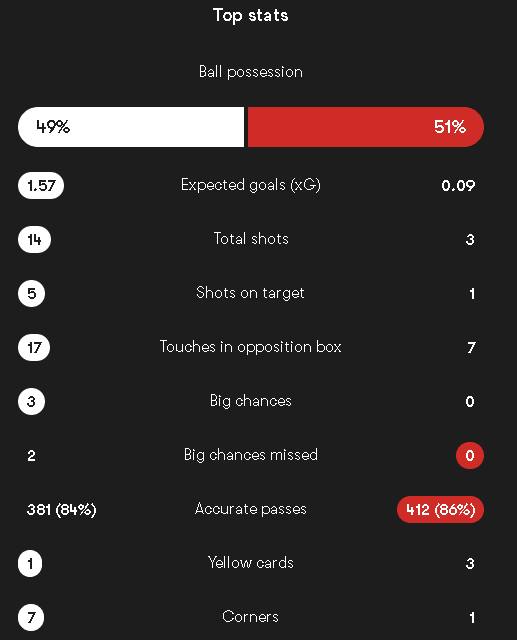
The first-half statistics explained the feeling well: 0.86 xG for Juventus compared to just 0.06 for Milan. Even with 52% possession for Milan, it was Juventus who looked more capable of finding the goal.
In the second half, however, neither team managed to create much, and the match was practically decided by two moments of efficiency.
Francisco Conceição created danger again and hit the post with a shot from outside the box. Milan were still struggling to get shots away, but finally began getting closer to the opposition area.
And that was when the substitutes appeared. In the 69th minute, Modric won the ball back, Chukwueze received it on the right and quickly switched play to Cissè. The winger entered the box from the left, cut inside and fired low, close to the far post. A beautiful goal and absurd efficiency: Milan’s first shot of the second half and only their third of the game. 0-1.
Juventus tried to react and brought Woltemade on to play alongside Kolo Muani, looking for more presence in the box. Milan dropped deeper and deeper and Juventus began piling on the pressure, but there was still a lack of quality in the final third.
Until the equaliser arrived. Deep into stoppage time, Gatti appeared in the box with space, took advantage of Loftus-Cheek’s poor reaction and headed into the back of the net. 1-1. Juventus finally scored after a match in which they had been, for long periods, the better team.
Post-match
In the end, there is a feeling that Milan got too much from what they produced. Maignan kept the team in the game for much of the match, while Amorim still has a lot of work to do to give creativity to a team that still relies too heavily on its centre-backs to build. Juventus were not brilliant either, but created more and deserved, at the very least, to come away with a point.