
 · 2 min read
In this Mexico vs South Africa match, I analyse the key tactical moments, individual performances and turning points of the game.
The World Cup begins, and it begins with one of those matches that says far more through its context than through its quality. Mexico at home, in the Azteca, opening the tournament, with all the pressure and excitement in the world. On the other side, a fragile South Africa, going through a poor period, clearly inferior, and with a simple idea: survive.
Mexico started better, as expected, but without pushing the tempo too much. Early on, Raúl Jiménez found space inside the box after a good pass from the right and struck with power, forcing Ronwen Williams into a fine save. It was the first real warning and showed that whenever Mexico found space, they could create danger.
The goal arrived in the 9th minute and came directly from that aggressive pressing. A ball recovery high up the pitch, already close to the opposition area, and Quiñones did not hesitate: a powerful low shot that went underneath the goalkeeper. A simple goal, but one that exposed South Africa’s difficulty in playing out from the back under pressure.
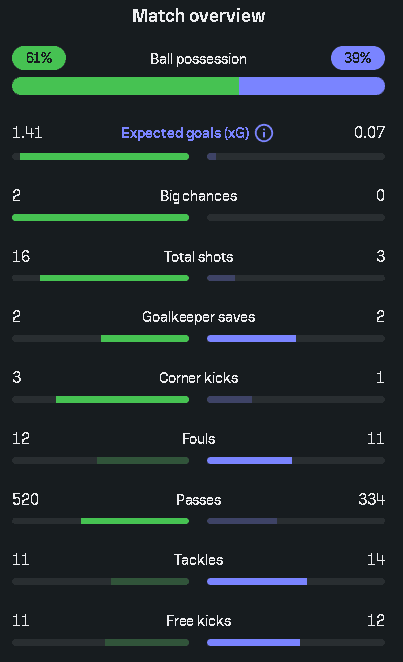
From that point on, the game settled into a more controlled rhythm. Mexico did not need to force anything, managing the match comfortably, while South Africa tried to keep possession but had no real ability to create danger. They looked limited, predictable, and often unsure of what to do once they entered the attacking half.
Still, every time Mexico accelerated, they created danger again. Raúl Jiménez got on the end of a cross but could not make proper contact in a more difficult situation. Shortly afterwards, Quiñones hit the post with an effort that could easily have put the game beyond doubt before halftime.
The feeling at the break was clear: Mexico were comfortable, controlling the match in their own way without needing to dominate completely. South Africa, meanwhile, looked trapped by their own limitations.
The second half was effectively decided in the 50th minute. A through ball found Gutiérrez behind the defence, South Africa’s back line was too high, and Sithole arrived late, committed the foul and received a straight red card. From that moment, there was no longer a contest.
With the extra player, Mexico took even more control, but interestingly without piling on the pressure. They maintained the same patient approach, waiting for the right moment.
That moment arrived in the 67th minute. Quiñones drove inside, attracted defenders and released the ball to Alvarado on the right. The cross was perfect and Raúl Jiménez timed his run brilliantly, heading into the back of the net. 2-0.
From there, the match entered almost complete game-management mode. South Africa, already limited, completely disappeared after going down to ten men. And things got even worse in the 83rd minute when Zwane was sent off following a VAR review for violent conduct. A completely avoidable moment that perfectly summed up the team’s lack of control.
There was still time for one final notable incident deep into stoppage time, with César Montes being sent off after stopping a counter-attack as the last man.
In the end, Mexico did enough, without dazzling, but without ever losing control. A logical victory in a match that means more because of the three points and the World Cup opener than because of the performance itself.
Post-match
Mexico get the job done without being spectacular, but they show the maturity to manage matches and take advantage of key moments. South Africa, meanwhile, leave a poor impression: limited, undisciplined and making their chances in the tournament much harder from the very beginning.