
 · 2 min read
In this PSG vs Aston Villa match, I analyse the key tactical moments, individual performances and turning points of the game.
The new season begins and, with it, comes the first European trophy to decide who gets the year off to the best possible start. On one side was PSG, two-time European champions and owners of one of the strongest squads in the world. On the other was Aston Villa, who surprised many people last season and came into this UEFA Super Cup final knowing that, at this stage of the season, the gap between the two clubs might not be as big as it looks on paper.
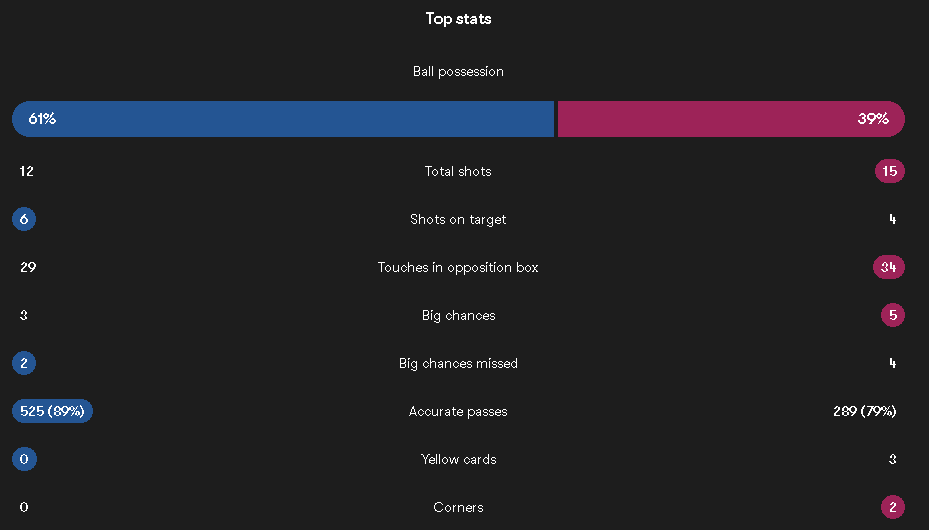
The start of the game confirmed exactly that. PSG monopolised possession from the beginning and, after 15 minutes, already had around 70%. The problem was turning that dominance into genuinely dangerous chances. Aston Villa were happy to have less of the ball and tried to respond through quick transitions and the physical strength of their attacking duo.
One of the names that stood out the most was Brian Madjo. At 17 years old and 1.93m tall, the young Villa forward really does remind you of a younger Lukaku. He is still a long way from being a complete player, especially technically, but physically he is impressive.
The first goal of the game came after 20 minutes. PSG won the ball back very close to the opposition box, overloaded the attacking area and used their high press to create the chance. Doué found Kvaratskhelia, who received inside the box, cut inside with power and caught Bizot off guard. The Georgian had already forced the goalkeeper into a save moments earlier and was eventually rewarded. PSG made it 1-0 and gave the feeling that the game could start slipping away from Aston Villa.
But Villa grew into the game. They continued to struggle with the opposition’s possession, but found one very clear weapon: their aerial game. First, Madjo appeared close to the post. Then, Hemmings caused problems with his physicality. After 41 minutes, Madjo had a huge chance inside the six-yard box and wasted it.
Then, in the 45th minute, McGinn crossed, there was a physical duel between Madjo and Pacho and, once again, the forward came out on top. He held off the contact, stretched out his leg and equalised. The 1-1 made sense given Aston Villa’s growth in the final minutes of the first half and showed something rare: Pacho was having a lot of trouble dealing with his opponent.
Dembélé came on at half-time and PSG immediately gained more mobility in attack. Even so, Aston Villa were still alive and even created a good chance in the 50th minute, forcing Safonov into an excellent save.
The decisive moment came in the 61st minute. Dembélé found Doué in behind and, for a few seconds, it looked like the Frenchman was clearly offside. The problem for Aston Villa was Matty Cash. The full-back positioned himself badly, played his opponent onside and turned what could have been an offside into a valid goal. Doué went into the box alone, finished and made it 2-1.
From there, Aston Villa tried to react. Hemmings caused more problems and, in the 73rd minute, João Gomes came very close to equalising, but Zaïre-Emery produced an absolutely decisive block.
In the final minutes, Villa still tried to push PSG back, but the French side managed to control the tempo better, dealt with the danger whenever necessary and held onto their lead until the final whistle.
Post-match
The result ends up being fair, but Aston Villa left a much better impression than many expected. PSG had more possession, more control and more individual quality, but they didn’t dominate the game in the usual way.