
 · 2 min read
In this Argentina vs Austria match, I analyse the key tactical moments, individual performances and turning points of the game.
It was a match with real weight in the group, but it started in a somewhat chaotic and tense fashion. Argentina came out stronger, more focused, and quickly created what looked like a clear opportunity. Lautaro got in front of his defender, went down in the box, play continued, but then VAR intervened and a penalty was awarded.
In the 8th minute, Messi stepped up. And that immediately changed the tone of the game. He struck it poorly, really poorly, not even hitting the target, and gave Austria new life. It was not just a missed penalty, it was an emotional turning point. Austria grew in confidence, started winning physical battles and dragged the game into a much more contested territory.
For long periods, Argentina lost control. There was too much space between the lines, too many players crowding around the ball and not enough composure. Austria were not creating much, but they were making things uncomfortable. And that alone was enough to level the contest.
Even so, whenever Argentina managed to connect their play, they looked dangerous. Messi repeatedly found pockets of space between the lines, linked attacks and accelerated moves. In one of those moments, he nearly scored, with Alaba making a desperate intervention and Schlager preventing the worst.
The game became increasingly physical, scrappy and interrupted. There was little flow, plenty of contact and a referee who allowed a lot to go.
Then came the moment that changed everything. In the 39th minute, a move down the left saw Medina receive the ball and play it towards the edge of the area. Almada intelligently let it run through his legs, fooling everyone. Messi arrived and finished with quality. A goal built on detail, awareness and composure. More than that, it was a historic moment.
From then on, Argentina settled down. They did not explode into life, but they controlled the game better. Austria lost some of the energy they had gained after the missed penalty.
The second half never had much rhythm. It was more competitive than it was well played. Austria tried, but almost always in a predictable manner. Crosses without much purpose, rushed decisions and very little genuine threat inside the box.
Sabitzer had a go from a set piece and Gregoritsch got on the end of a header, but nothing that truly put the result in danger. The quality of the final action was missing.
On Argentina’s side, there was not much urgency either. The team seemed comfortable with the scoreline and unwilling to take unnecessary risks. Messi remained the main creative outlet, but the game never demanded much more from him.
There was still time for a dangerous Nico González header from a corner, but it felt more like a warning than a real threat.
Then, in the closing moments, just as the match seemed to be fading away, the second goal arrived. In the 90+5th minute, the ball broke loose on the left after an initial save from Schlager. Messi kept chasing it. He drove forward, shot, saw it blocked, stayed with the play and eventually forced the ball into the net at the second attempt. A goal born from persistence, almost stubbornness. 2-0.
Post-match
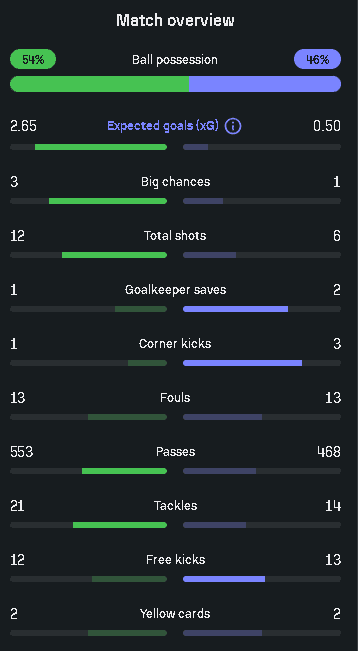
Messi made the difference despite missing a penalty. Argentina did not produce a dazzling performance, but they were more clinical in the key moments.
Austria competed well, but they were always lacking in attack.