
 · 2 min read
In this Brasil vs Japan match, I analyse the key tactical moments, individual performances and turning points of the game.
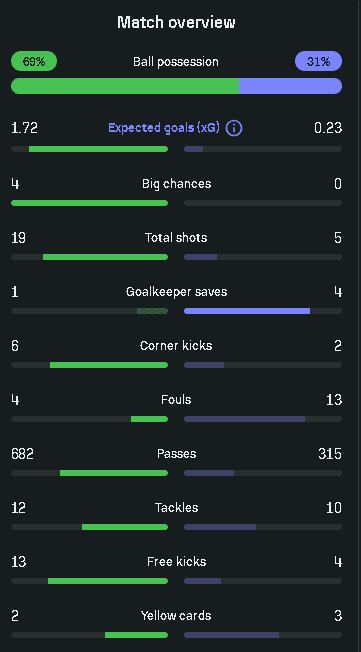
It was a knockout game between two very different approaches: Brazil’s individual talent against Japan’s collective organisation. And for a long time, that was exactly what the match looked like. Brazil had the ball, but could not turn that possession into any real danger, while Japan were comfortable without it, waiting for the right moment.
The opening stages showed a Brazil side pressing high, trying to win the ball back quickly after losing it, but the tempo soon dropped into something much more predictable. Long spells of possession, plenty of passing, but very little aggression. They needed someone to break the lines, someone to speed things up.
Japan, on the other hand, did not mind that at all. Deep defensive lines, plenty of players behind the ball, and outstanding tactical discipline. They were not spectacular, but they did not allow Brazil to play either.
And when the opportunity came, they took it. In the 29th minute, Brazil made a mistake while playing out from the back, Danilo lost possession, and Japan broke quickly through the middle. Sano carried the ball into space, Casemiro tried to close him down, but with a yellow card already to his name, he could not risk making contact. Sano looked up, set himself and struck from outside the box, placing the ball perfectly into the corner. A clean, simple and brilliantly executed goal.
The impact was obvious. Brazil continued to dominate possession, but looked even more stuck. There was visible confusion between the players, mistimed movements and a lack of fluency. Japan, meanwhile, grew in confidence and became emotionally more in control of the game, despite not attacking very often.
The second half changed with one important decision: the introduction of Endrick. With that, Brazil gained a stronger presence in the box and a more aggressive edge. Cunha dropped deeper, more players began arriving in goalscoring areas, and the game started to swing.
You could feel it almost immediately. More dangerous crosses, more pressure, more persistence. Japan were forced even deeper, now simply trying to survive.
The equaliser came in the 56th minute. A cross to the far post travelled through everyone, and Casemiro arrived behind the defence. With no need to overcomplicate things, he simply turned the ball into the net. A straightforward goal, built through persistence.
From that point on, the game was played almost entirely in one direction. Brazil grew stronger, Japan resisted. Viní Jr started to get on the ball more, creating problems, and in one of those moments he nearly scored a remarkable goal with an effort that beat goalkeeper Suzuki before coming back off the post.
Japan almost stopped attacking altogether. It became all about defending, closing spaces and running down the clock. For a while, it looked as though it might work. Brazil had the ball, they shot, they kept trying, but not always with the best decision.
Then came the moment when everything changed. Deep into stoppage time, in the 90+6th minute, Brazil won the ball back high up the pitch and it fell to Martinelli on the edge of the area. He took a touch, set himself quickly and fired a low shot across goal into the far corner. Suzuki had no chance. A goal that combined a Japanese mistake with real quality in the finish.
And that was it. Japan tried to respond, driven more by determination than organisation, but there was no time left.
Post-match
A hard-fought but deserved victory for Brazil. They took time to understand the game, struggled against Japan’s organisation, but once they raised the intensity, they eventually made the difference.
Japan leave with the feeling that they came very close. They defended well, stayed disciplined, but lacked the ability to hold onto the result until the final whistle.